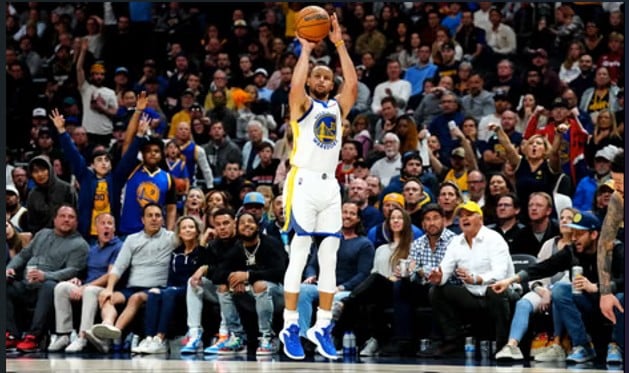
Before the first possession, the real action has already started. Markets move, bettors react, and information spreads faster than lineups are confirmed. Every number tells a story about who acted first and who hesitated. The sharpest minds treat pre-game markets as battlefields where timing is everything. Watch closely, and you’ll see how money changes the rhythm before the ball even touches the floor.
Early Line Reactions
Sharp bettors don’t wait for tip-off — they shape it. The opening odds, often based on projections rather than realities, are immediately tested by professional money. When a respected bettor hits a number, sportsbooks respond fast, adjusting lines within seconds. For example, when players quickly sign in Melbet, such shifts can be seen in real time as markets react. These early reactions are not random; they are signals that the market is being corrected before the public even notices.
Small discrepancies in odds create massive opportunities. If a team opens as a 5-point favorite but sharp money pushes it to -7, that two-point swing speaks volumes. It reflects information, confidence, and preparation. By the time casual bettors wake up, the value is already gone. Early moves define the story of who knew what — and when.

The Role of Team News
Team updates have become financial events. A single tweet about rest or an injury can instantly shift thousands in wagers. Sportsbooks react, but sharp bettors react faster.
The most impactful triggers usually come from:
- Confirmed injuries or last-minute scratches
- Lineup leaks from trusted reporters
- Coaching quotes hinting at minute restrictions
Each one can move the spread by several points. A starting center ruled out changes in rebounding markets; a rested star alters the total points projection. These updates are not about gossip — they’re catalysts that rewire the odds before the referee blows the whistle.
Reading Market Behavior
When early movement begins, not every shift represents real sharp action. Some moves are noise, caused by speculation or overreactions. On platforms like Melbet Indonesia, bettors often see how quickly odds changes can separate genuine sharp moves from public emotion. The skill lies in identifying when the market is adjusting to true insider logic versus public guessing. Every pre-game session becomes a study in reading patterns, speed, and resistance — indicators of who is really behind the money.
Identifying True Sharp Signals
Sharp activity has fingerprints. It appears first in niche markets or smaller books before spreading across major platforms. Professionals often target soft numbers, knowing sportsbooks must follow the movement. When several sharp accounts align on one side and limits increase, the signal becomes clear: someone knows more than the model.
The sequence of bets matters. Early hits on specific totals or player props, followed by quick line freezes, suggest genuine confidence. It’s not about guessing — it’s pattern recognition. Those who track these flows can often tell whether it’s data-driven confidence or misdirection. The sharper the move, the shorter its window of opportunity.

Avoiding False Traps
Markets are full of decoys. Sometimes lines move based on incomplete or false information, leading bettors into overreaction territory. A quick two-point shift doesn’t always mean sharp money; it might just be panic after an unverified injury rumor.
The real professionals wait for confirmation before acting. They understand that chasing sudden movement without context means buying at the worst price. When noise traders flood in, sportsbooks profit from confusion. Patience, not aggression, often defines who avoids these traps before the game begins.
Late Adjustments Before Tip-Off
Minutes before the start, betting markets turn into controlled chaos. Limits rise, liquidity flows, and sportsbooks invite big action because real data is now confirmed. Sharp bettors strike fast, taking advantage of numbers that haven’t yet fully adjusted.
Late scratches, rotation changes, and even referee assignments can move spreads and totals within seconds. Some bettors follow weather reports, player warm-ups, or insider reports to detect the smallest edge. The difference between value and overreaction is razor-thin. Those who prepared scenarios in advance understand these final shifts best. Each late adjustment reveals who truly read the day correctly and who is chasing noise before the tip-off.
Post-Move Reflection
After the buzzer, the sharp bettors switch from emotion to analysis. They revisit closing lines, compare them with actual results, and note where the market over- or underreacted. Every misread becomes a lesson, every correct call a data point for refining future strategy. They study how information timing, player updates, or public sentiment affected movement. The process never stops because patterns repeat across seasons. Staying ahead means turning observation into prediction — understanding not just where the money went, but why it moved that way in the first place.