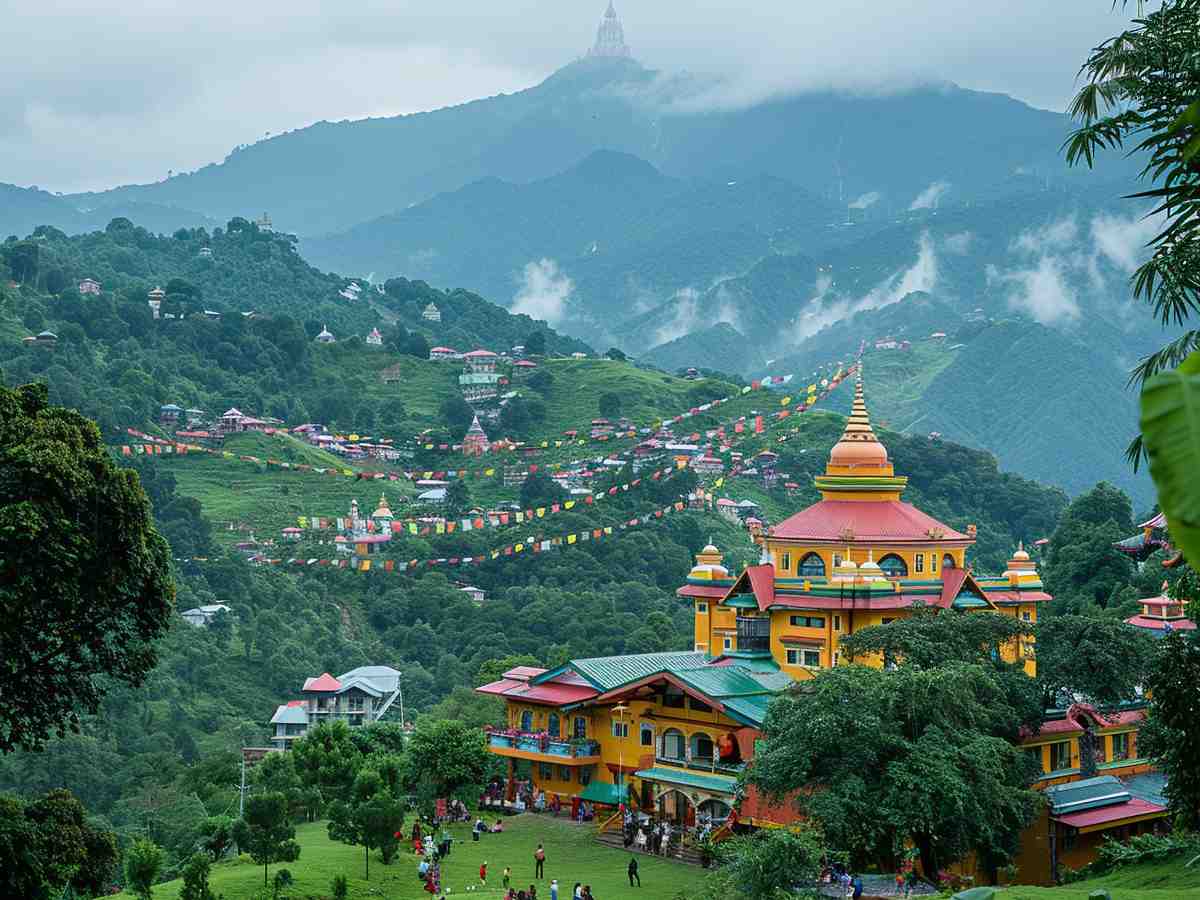
Nestled in the lap of the Eastern Himalayas, Sikkim is a breathtaking realm of snow-capped peaks, vibrant culture, pristine forests, and serene monasteries. This small Indian state, bordered by Tibet, Bhutan, Nepal, and West Bengal, might be one of the country’s tiniest regions, but it boasts some of the most dramatic landscapes and rich cultural experiences in the entire Himalayas.
A Landscape Carved by Nature’s Majesty
Sikkim’s geography is nothing short of magical. The dramatic elevation ranges—from 280 meters in the sub-tropical south to over 8,500 meters in the northern high Himalayan zone—create an astonishing diversity of ecosystems. Visitors can wake up to the gentle mists of subtropical valleys and end the day gazing at the snowy summits of the mighty Kanchenjunga, the world’s third-highest mountain.
Whether you’re trekking through lush rhododendron forests, cruising along winding mountain roads, or sipping chai while watching clouds drift across emerald hills, Sikkim captivates with its scenic splendor at every turn.
Cultural Kaleidoscope: Harmony in Diversity
Sikkim’s population represents a beautiful confluence of cultures, including Nepali, Bhutia, and Lepcha communities, each contributing to the state’s rich tapestry of traditions, festivals, and art forms. Monasteries like Rumtek and Pemayangtse are not just architectural marvels but living centers of Buddhist culture where prayer flags flutter and monks chant in serene courtyards.
Festivals such as Losar, Lhosar, and Tihar bring the hills alive with colourful rituals, traditional dances, and joyous celebrations. Visitors often find themselves welcomed into local homes, offered gundruk or chiura, and invited to share in the warmth and hospitality that define Sikkimese life.
From Tranquil Lakes to Mountain Trails
One of Sikkim’s greatest gifts to travellers is its incredible variety of natural attractions:
- Tsomgo Lake (Changu Lake): A high-altitude glacial lake where the water mirrors the sky and snow peaks—a surreal sight, especially during early morning hours.
- Nathula Pass: Connecting India and China (Tibet), this historic route is set against striking mountain vistas, making it a must-visit for adventure seekers.
- Zuluk & Old Silk Route: A lesser-known gem where ancient trade routes and winding roads lead to breathtaking sunrise viewpoints and remote Himalayan villages.
- Trekking Trails: From beginner treks like Goecha La to more challenging high-altitude journeys, Sikkim offers trekking experiences that cater to every level of adventurer.
Each of these destinations showcases a different facet of Sikkim’s charm—whether it’s the calm of a sacred lake, the thrill of high mountain passes, or the cultural richness of hillside settlements.
Wildlife and Biodiversity
Sikkim’s biodiversity is astonishing for such a small state. The Khangchendzonga National Park, a UNESCO World Heritage Site, shelters rare species such as the red panda, snow leopard, Himalayan black bear, and numerous avian wonders. Nature lovers and wildlife photographers find themselves immersed in a rich wilderness that is both fragile and awe-inspiring.
Culinary Delights of the Hills
Sikkimese cuisine is a delightful blend of flavours shaped by local produce and cultural influences. Must-try dishes include:
- Momos: Himalayan dumplings filled with vegetables or meat.
- Thukpa: A comforting noodle soup perfect after a chilly mountain walk.
- Sael Roti: A traditional sweet rice bread enjoyed during festivals.
Sip on local teas infused with herbs and spices, and let the warmth of mountain hospitality add flavour to your journey.
Sustainable Tourism and Lasting Impressions
Sikkim is a pioneer in sustainable tourism in India, known for banning plastics early and promoting eco-friendly travel. Visitors often leave not just with memories but also with a deeper respect for nature and local culture.